


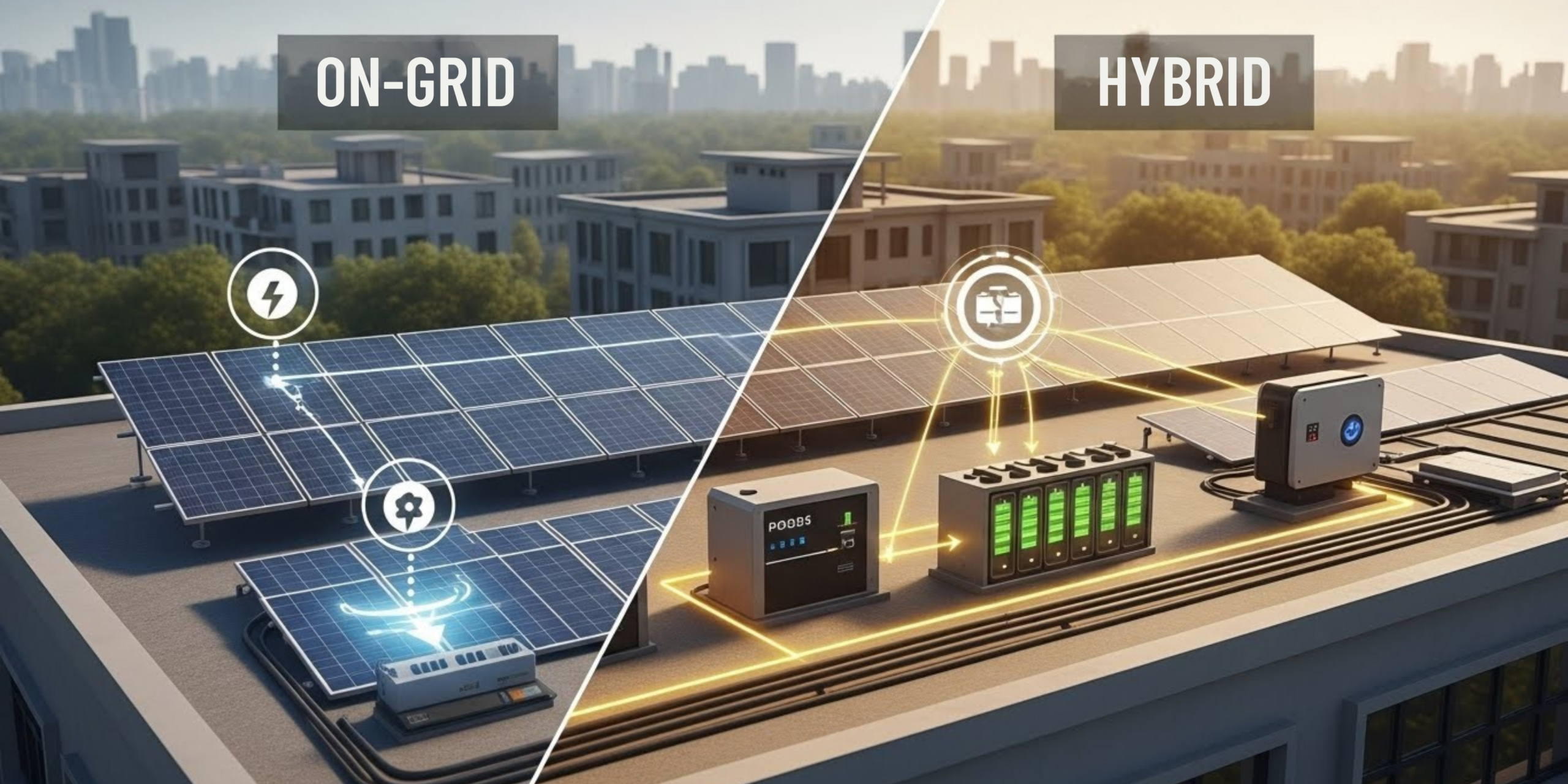
Solar power adoption in Pakistan has surged over the past decade — and with increasing homeowner and business demand, regulators are adapting policies to balance grid stability and fair cost-sharing. The National Electric Power Regulatory Authority (NEPRA) recently revised the solar net metering framework, affecting how solar consumers are credited for excess electricity fed into the grid.
At Brightcore Energy, our mission is to help you understand these reforms and guide you toward the most effective solar strategy — whether a grid-tied solar solution or a hybrid solar solution with energy storage.
What Is Net Metering, and What Has Changed?
Net metering has been a key driver of rooftop solar adoption. Under the old regime, solar owners received credits on their utility bills equivalent to the retail rate for electricity exported to the grid. This reward system made solar panels very appealing because excess generation could offset future electricity consumption almost one-for-one.
NEPRA’s updated approach now reduces the value of exported solar energy credits, aligning them closer to generation cost instead of retail tariff. This means that while you can still send excess power to the grid, the financial benefit from doing so is lower than before.
This policy shift encourages solar owners to consume more of the energy they produce, instead of exporting it for low credits — a strategy that aligns naturally with smart solar system design.
Why Solar Still Works — More So With Smart Planning
Despite the net metering changes, solar panels continue to be a compelling investment for homeowners and businesses — and choosing the right system type makes all the difference.
Benefits of a On-Grid Solar Solution
A on-grid solar system connects your solar panels directly to the utility grid. During sunny hours, solar energy powers your home; at night or on cloudy days, grid electricity fills in the gaps.
Here’s why grid-tied systems remain highly advantageous:
✔ Lower installation cost — No batteries means simpler setup.
✔ Instant reduction in electricity bills — Solar offsets grid usage.
✔ Clean and renewable energy source — Less fossil fuel dependence.
✔ Peace of mind with grid backup — When solar isn’t producing, the grid supports your needs.
✔ Lower maintenance — Fewer components mean less upkeep.
Even with reduced export credits under the new net metering rules, grid-tied systems still deliver value through reduced consumption from the grid, especially when solar production covers a large portion of daytime load.
Why a Hybrid Solar Solution Is a Game-Changer
A hybrid solar system combines solar panels, battery storage, and grid connectivity to maximize the use of solar production throughout the day and night.
Here are the key benefits:
🌟 Higher Self-Consumption
Store excess solar energy in batteries instead of exporting it at lower rates. This boosts your overall savings.
🌟 Backup Power
During power outages or load shedding, your system continues to power essential appliances — something a simple grid-tied system cannot do.
🌟 Time-of-Use Optimization
With batteries, you can use stored solar power during peak grid tariff hours, reducing expensive grid consumption.
🌟 Greater Energy Independence
Hybrid systems reduce reliance on the grid and protect you from rising electricity costs.
Hybrid solar solutions capture the best aspects of solar generation, storage, and smart consumption — making them especially suitable as Pakistan’s net metering rules evolve.
How Brightcore Energy Helps You Choose
At Brightcore Energy, we tailor solar solutions based on your needs:
🔹 Detailed energy audit and load profiling
🔹 Customized grid-tied and hybrid design comparisons
🔹 ROI projections that factor in NEPRA’s new billing structure
🔹 Clear guidance on battery sizing, inverter choices, and system economics
🔹 Professional installation and after-sales support
We help you understand not just the technology, but how it translates into real savings, comfort, and future readiness.
Smart Design Strategies Under New Rules
To maximize the benefits of your solar investment:
➡ Prioritize self-consumption over exporting.
➡ Add battery storage to capture daytime excess.
➡ Time your major loads for daytime when solar production is highest.
➡ Use smart inverters and monitoring to optimize energy flows.
➡ Review your energy usage patterns annually to adjust system settings.
These strategies ensure you make the most of both your solar panels and your electric grid connection.
Final Thoughts
NEPRA’s updated net metering policy reflects an evolving energy market — but solar power remains one of the most cost-effective, solar solutions for homes and businesses in Pakistan.
Whether you choose a grid-tied system for affordability and simplicity, or a hybrid solar solution for maximum self-use and resilience, Brightcore Energy is here to guide you every step of the way.
Solar energy is not just about exporting power — it’s about harnessing clean energy, reducing bills, and gaining energy independence.
